5 Ways Going Indie Helped Me Connect with Readers in New (and Unexpected) Ways
A Guest Post by J. Kenner
I’ve always loved connecting with readers—from my earliest days signing books in stores to chatting at conferences and answering emails that landed in my inbox at exactly the right moment. So when I moved into indie publishing, I didn’t expect that part of the journey to change very much.
Spoiler: it did.
Not because I’d been disconnected (okay, maybe a little disconnected. I tend to do the gopher-hole thing when I’m deep in writing mode and forget the world exists!), but because indie opens up several different doorways to readers—some I never saw coming, some that made me laugh, and some that reminded me why I love this job so much.
Here are five of those surprising, delightful shifts:
1.Indie Arrived Right as Reader Connection Was Evolving — and I Got to Grow With It
When I started in traditional publishing, the landscape looked very different—think mailing in printed manuscripts, hand-built HTML websites, and reader email being a brand-new delight. Most of my fan mail came, well, in the mail. Sure, I still connected deeply to readers, but I was in contact with fewer of them.
As indie publishing took off, the digital world was evolving at the same time. Suddenly, there were reader groups, platform comments, and unexpected little digital corners that sparked real conversations.
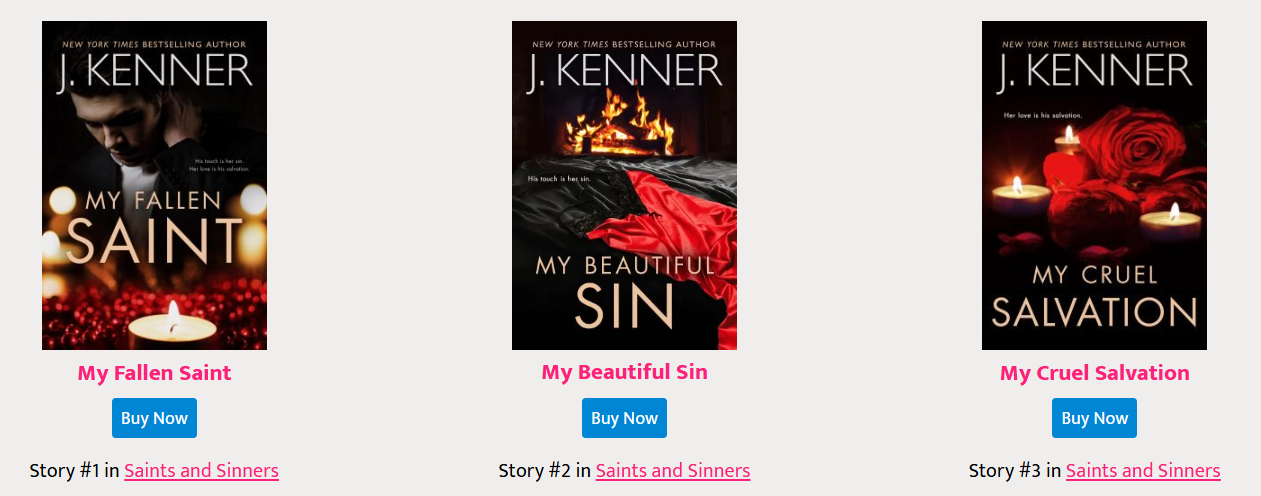
It didn’t replace the connection I’d felt with those earlier readers, but this new indie vibe helped layer on new spaces and unpredictable ways for those conversations to keep growing. And that was a perk of indie that I initially didn’t really understand as a traditional author. It wasn’t until I slid into the Shiny New World of Indie that I really got a solid sense of the communities that were being built, among authors, yes, but also among authors and readers. And with the internet opening the lines of communication by other than carrier pigeon, connecting with readers became baked into the author experience. Which is freaking amazing.
2. Creative Freedom Turned Into Reader Conversation Fuel
One thing indie publishing gives you is choice—about stories, schedules, tropes, experiments, and the occasional wild idea that shows up uninvited but refuses to leave. (And I know a bit about wild ideas – demon-hunting soccer moms, anyone? How about a ridiculously sexy hero in a wildly steamy trilogy … who has ED (no, really!). But as wild as I got with those trad ideas, with indie you can push even more buttons.
That freedom has a way of energizing readers. They react and email or DM with things like, “I can’t believe you did that to him—but holy crap I loved it,” which is an awesome note from an author POV. Sometimes they even suggest things that actually arrive in your inbox with time to implement an often brilliant idea. (As opposed to trad where the stories are probably very, very locked in, so no-go on the brilliance).
I had a reader once suggest that a character should have a vampire boyfriend (in a series that had no vampires). I was working on the next book in the series that day and, in fact, had been making notes about that character and her growth. And, yeah, now … oh, wait. No spoilers here!
The point is, it’s a different texture of conversation, sparked by the spontaneity indie allows.
3. Indie Gives Authors a Clearer, More Immediate View of Reader Interest
Reader feedback itself didn’t change—emails, social media comments, reviews, and reader conversations have always been a wonderful part of my career.
What did change was how much authors have access to behind the scenes.
In traditional publishing, most of the real-time information stayed with the publisher: sales, retailer movement, how a book was performing day to day. I’d hear about results eventually—maybe—but usually in delayed snapshots.
Indie shifted that dramatically, giving authors access to all kinds of real-time info…and even someone like me who can break a spreadsheet just by looking at it, knows how valuable that can be. I’m talking about access to things like
- daily sales
- which retailers are trending
- where new readers are coming from
- what happens the moment a new release hits
- whether a newsletter mention sparks a spike
- what formats readers choose in real time, etc etc, etc
In other words, indie gives authors a much more expanded view of how—and where—readers are discovering, engaging with, and getting excited about the books. That may not be direct communication with my readers, but it’s the kind of communication that an author can really use.
4. Community Became Something I Could Build on My Own Terms
I’m an introvert who can play an extrovert when I’m out there in The Real World. I love chatting with readers at signings, conferences, and events. Put me in a ballroom full of book people and I’m perfectly at home. Especially if there’s wine or whiskey.
 But give me a social-media post to write and suddenly I turn into the world’s most committed introvert. No explanation. No logic. My brain simply packs a suitcase and leaves. (Perhaps I was traumatized by MySpace all those years ago…)
Some authors are natural digital extroverts. I am… not one of them. My social media activity tends to resemble celestial events: rare, memorable, and often surprising even to me.
I’m still not The Girl All Over Social, but with indie I didn’t suddenly have to be hyper-visible. Instead, I could build community in ways that fit my personality instead of forcing myself into a rhythm that really, really didn’t.
For me, that looks like:
- sharing updates when I genuinely have something to say
- offering behind-the-scenes glimpses without a rigid posting calendar
- creating bonus material or extras I enjoy writing
- connecting through newsletters, where conversations feel more personal and manageable.
- (and, okay, I am psyching myself up for my semi-annual attempt to be more Out There. Wish me lluck…)
Indie didn’t turn me into a social-media powerhouse (though, hey, I’ll keep trying. I genuinely like tofu these days, so things truly can change….)
What indie did do was guide me to finding my comfort zone … and even with my more laid-back online presence, readers still find their way in, engage, and make those spaces feel warm and welcoming.
5. Readers Keep Showing Up—in Every Format, Every Phase, Every Chapter of My Career
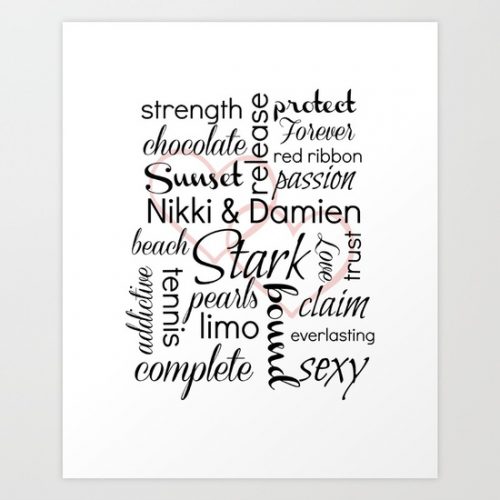 So many of my earliest readers have stayed with me through every publishing shift, and I couldn’t be more grateful. (Stands and waves and blows kisses!)
Indie publishing didn’t replace that connection—it added new ways for readers to join the community and new opportunities for long-time readers to engage by recommending, rereading, binging, sharing, and sometimes sending messages like, “I wasn’t prepared for that plot twist—OMG or Damien’s still my guy, but OMFG, THAT dude is hot. (Love those kinds of notes!)
In other words, still the same awesome core relationship with readers—just with more doorways and more unexpected moments.
Final Thoughts
Going indie didn’t change who I connect with—it changed how many paths we have to meet each other.
It widened the map. It added new tools, new interactions, and delightful surprises that make the writing journey even richer. And that, dear reader, is pretty cool.
About J. Kenner
Kenner is a #2 New York Times bestselling author who’s been published since the turn of the century … and the millennium, which sounds even cooler. She’s written across multiple genres, but her heart’s in romance (and a few select demons and their hunters). Visit her online at www.juliekenner.com or reach out at jkennerinfo@gmail.com – just don’t expect a lightning-fast reply!


