This step-by-step book marketing guide helps indie authors promote their books successfully. And it works for both new and experienced writers.
Publishing your book is just the beginning. Reaching readers requires a clear, practical strategy. In this guide, we’ll cover everything from identifying your audience and building your author platform to launching your book and leveraging tools and partnerships.
Step 1: Identify Your Target Audience
The first step in any book marketing guide is knowing your readers. Before you spend time or money on promotion, define your target audience. Understanding your readers helps you create messages, ads, and campaigns that turn casual browsers into loyal readers.
Ask yourself:
 What age group is most likely to enjoy my book?
- What genres, themes, or tropes does my story align with?
- Where do potential readers spend time—online or offline?
Answering these questions gives you a clear reader profile. Then this profile guides every marketing decision.
For deeper insights, check out our post, How to Market to Your Target Audience.
Once you truly understand who your readers are, every part of your book marketing journey—from cover design to promotion—becomes more focused, effective, and rewarding.
Step 2: Build Your Author Platform
Your author platform is your base of operations, online and offline. It’s the foundation for long-term marketing success. A consistent brand across your books attracts new readers and keeps loyal fans engaged.
Key components include:
- Professional author website: Include a blog, contact info, and clear links to buy your books.
- Active social media accounts: Use platforms like Facebook, Instagram, TikTok, X (formerly Twitter), or LinkedIn. Take it from bestselling author Melissa Foster, who shares social media tips in her guest post How Social Media Can Boost Your Author Brand.
- Engaging email newsletter: Share updates, connect with readers, and build community. For guidance, see Reedsy’s post Common Mailing List Mistakes Authors Should Avoid.
Consistency is key. Plus, share insights about your writing process, book updates, and authentic glimpses into your world. This builds trust and keeps readers coming back.
For more advice, check out our interview with bestselling author Dale Mayer for tips on creating a strong author brand.
Step 3: Optimize Your Book Listing
Your book’s online listing—also called metadata—is your digital storefront. Optimizing it improves discoverability and boosts sales.
Ways to optimize your listing:
- Write a compelling book description: Hook readers immediately. Include comparable authors, keywords, and reader-favorite tropes.
- Choose the right categories: B&N Press lets authors select niche categories, helping readers find your book.
- Use professional design and formatting: A polished cover and well-formatted book signal professionalism. Readers expect the same quality as traditional bestsellers.
A well-optimized listing builds reader trust and improves your book’s visibility in searches. Explore our additional posts on metadata for tips on tailoring and refreshing your book’s information.
Step 4: Plan Your Pre-Launch Strategy
Marketing starts before your book is available. A pre-launch plan builds anticipation and early buzz.
Pre-launch tips:
 Engage your audience early: Share cover reveals, excerpts, or behind-the-scenes stories via social media, newsletter, or blog.
- Offer advance reader copies (ARCs): Gather reviews and feedback. Trusted readers or communities like Ready Chapter 1 provide actionable input to improve your manuscript early.
- Connect with bloggers and reviewers: Reach out to bookstagrammers, bloggers, and other authors in your genre. Bridget E. Baker explains how Building Indie Author Relationships strengthens your career.
Pre-launch activity ensures your book starts strong. Bestseller Chris Keniston shares Strategies for a Successful Book Launch that hook readers and boost early sales.
Step 5: Secure Reviews
Reviews are one of the most powerful forms of social proof. They can make a major difference in how potential readers perceive your book and whether they decide to buy it.
For a deeper dive, be sure to check out our post on The Importance and Power of Reviews.
Here’s a few brief points on how to build that early momentum with reviews:
- Requesting honest reviews: Ask beta readers and ARC readers for feedback. Even family and friends can help.
- Submitting to review sites and influencers: Work with partners like BookTrib to increase awareness and visibility.
- Encouraging readers on major retailers: Reviews on sites like Barnes & Noble build trust.
Even a small number of thoughtful reviews can dramatically increase credibility and attract new readers.
Step 6: Launch Your Book
Launch day is a critical marketing moment. A well-planned release can boost visibility and sales.
Here’s how to make the most of your release day:
-Announce your book: Use social media, your newsletter, and your website.
-Host events: Virtual or local events create community and engagement.
-Offer promotions or giveaways: Add excitement with special editions, such as alternate covers, bonus content, or even an enhanced eBook version with a music playlist. These extras give readers something unique and create additional buzz around your release.
A coordinated launch can help your book climb retailer rankings and generate word-of-mouth buzz.
Step 7: Execute Post-Launch Marketing
Marketing doesn’t end on release day. It’s essential to maintain momentum, grow your readership, and ensure long-term success.
Here are strategies to keep your book visible and engaging:
- Social media campaigns: Share quotes, themes, or reader reactions.
- Outreach: Connect with bloggers, book clubs, and online communities.
- Paid advertising: Target readers in your genre if budget allows.
- Preorders for series or future books: Keep readers engaged. B&N Press lets you schedule preorders up to a year in advance. And use the coupon tool for limited-time offers.
- Affiliate marketing: Add affiliate links to your website, blog, or newsletter to earn passive income.
Consistency and timing matter. Even small, regular efforts grow your audience over time. Plan campaigns around peak reading seasons, like January or summer.
Staying strategic and engaged turns post-launch efforts into long-term reader loyalty.
Step 8: Reminder to Leverage Free Tools and Promotions
Our book marketing guide wouldn’t be complete without a reminder for authors to take full advantage of free resources. B&N Press offers several options:
 -B&N Press Ad Banner Tool: Create customized ad banners featuring branded Barnes & Noble and NOOK logos and images. This easy-to-use tool is a cost-effective way to promote your book and increase visibility. Learn more here.
-B&N Press Print Book Cover Template: Build a professional print book cover that meets exact specifications using this customizable template.
-B&N Press Buy 1, Get 1 and Coupon Code Creator: Reward your B&N/NOOK readers with exclusive promotions, such as coupon codes or BOGO deals. You can set the promotion type, start and end dates, and select the titles included.
-B&N Press Blog and Monthly Newsletter: Stay up to date with trends, tips, and insider insights to make your marketing more effective and informed.
Using these tools saves time, enhances your book’s presentation, and ensures your marketing efforts look polished and professional.
Step 9: Consider Third-Party Partnerships
Sometimes, partnering with trusted third-party services can significantly amplify your reach. A comprehensive book marketing guide highlights not just strategies you can implement yourself, but also resources that provide expert support at every stage of your publishing journey. Here’s a full list of our partners that can help: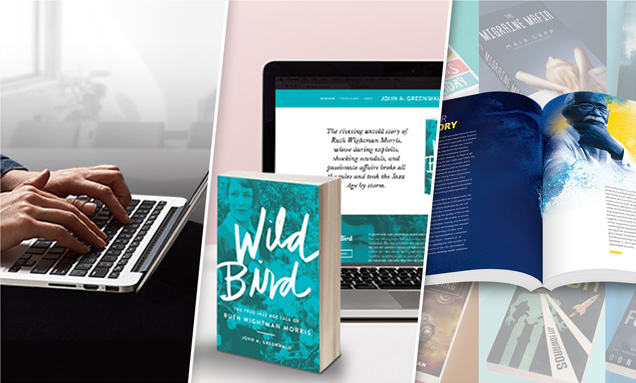
–Ready Chapter 1 connects you with a community of professional peer reviewers to fine-tune your manuscript.
–Reedsy matches authors with vetted professionals for editing, design, and marketing support.
–99designs hosts design contests so you can get a professionally designed eBook cover worthy of a bestseller.
–BookTrib offers promotional services tailored specifically to new and independent authors.
–Author’s Republic is one-stop-shop for audiobook production and distribution, helping you reach a wider audience with ease.
Experienced partners help give your book credibility, professional polish, and exposure you might not achieve alone—making these collaborations a valuable part of your publishing journey.
Step 10: Monitor, Analyze, and Adjust
A final key principle is that marketing is a continuous learning process. Tracking your performance helps you understand what’s working, what isn’t, and where to focus your efforts for maximum impact.
Consider monitoring these key metrics:
- Sales trends and ranking fluctuations: B&N Press provides robust sales reporting that shows how your books are performing in real time, which series are trending, and more. This information allows you to identify when readers are more or less engaged, or when interest might drop within a series. Each data point is an opportunity to use tools and promotions to boost engagement.
- Website and social media engagement: Consistency matters, but authenticity matters even more. Make sure your online presence feels like you, and the right readers will stick around.
- Newsletter open rates and click-throughs: Your newsletter is one of your most valuable tools for maintaining engagement. Pay attention to what readers click on, what they skip, and which content keeps them coming back.
Use these insights to adjust your strategies: focus on what works, refine what doesn’t, and stay flexible. A responsive, data-informed approach ensures that your marketing efforts deliver results over the long term.
Final Thoughts
Marketing a book is a journey, not a one-time task. This book marketing guide covers everything from identifying your audience to launching your book, securing reviews, and leveraging tools.
Follow these strategies, stay consistent, and engage with readers. You’ll maximize your book’s visibility, reach new audiences, and cultivate loyal fans. Every effort you make today builds a foundation for long-term success as an author tomorrow and beyond!


